
Photo exhibition Life Ecorest

ecorest
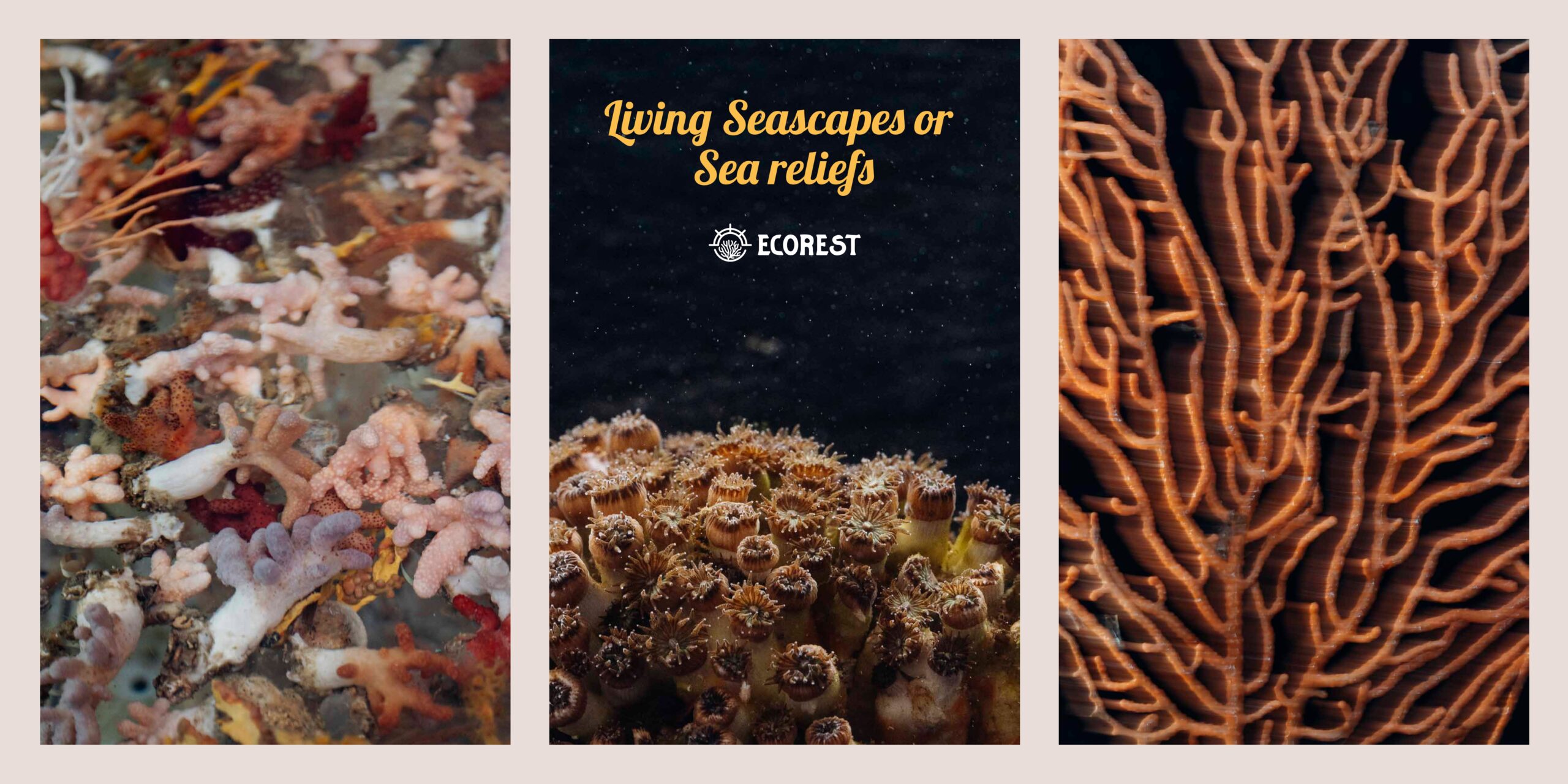
Living seascapes or sea reliefs
TThe exhibition Living Seascapes or Sea reliefs offers a visual journey through the beauty, fragility and human dimension of the restoration of the Mediterranean’s deep-sea habitats.
The work of Marion Payr, photographer and visual storyteller, explores the relationship between people and nature.
beneath the surface
A hidden world
T
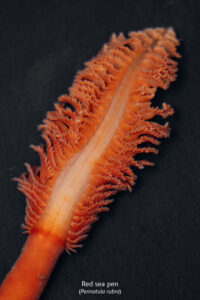
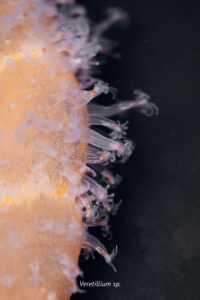
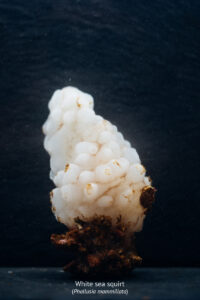
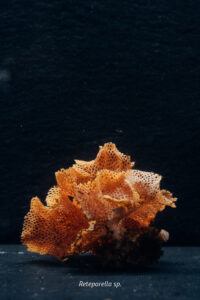
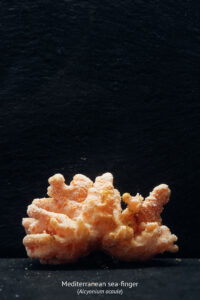
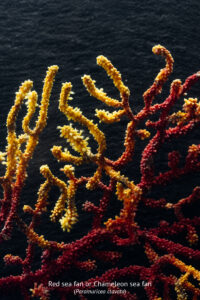
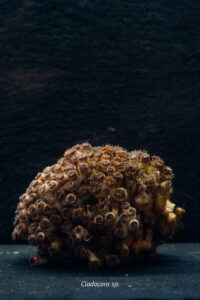
he Mediterranean Sea is home to an extraordinary diversity of life. In its deeper waters, unique habitats are formed by gorgonians, corals, sponges and bryozoans. These colonial animals create complex three-dimensional structures that provide shelter, breeding grounds and feeding areas for a wide variety of marine species.
These habitats can be found at depths of up to 2,000 metres. The organisms feed by filtering or capturing suspended particles and microorganisms from the water. Many of these species grow very slowly, meaning that recovery from disturbance can take decades.
Today, these valuable habitats have been severely degraded by human activities. To help reverse this decline, the LIFE ECOREST project is implementing marine restoration actions that support the recovery of these ecosystems, conserve their rich biodiversity, and safeguard the ecosystem services they provide to society.
shared commitment
Allies of the sea
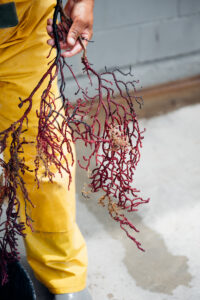
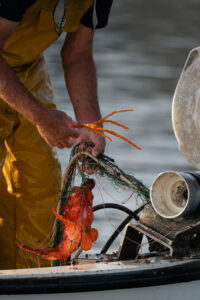
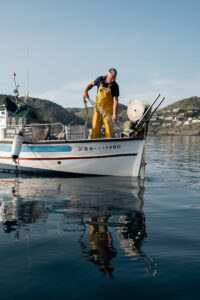
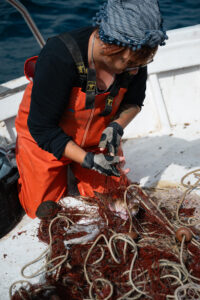
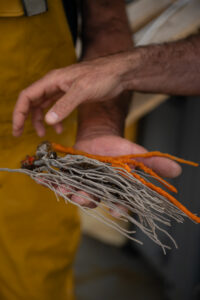
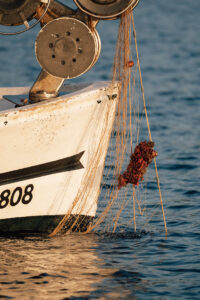
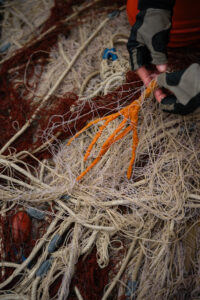
The success of marine restoration depends on the commitment of everyone involved—especially fishers, who play a key role in the project. During their daily fishing activities, fishers carefully remove colonies accidentally entangled in their nets and keep them under suitable conditions until they return to port. Once ashore, the rescued colonies are transferred to specially equipped aquaria, where they are maintained under optimal conditions and fed to support their recovery. They remain there for the shortest possible time before returning to the sea.
APPLIED SCIENCIE
Hands that restore
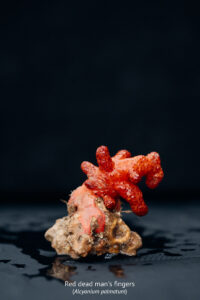
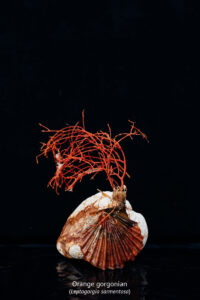
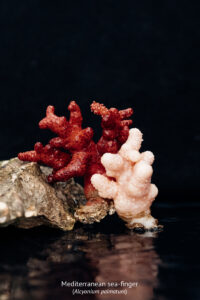
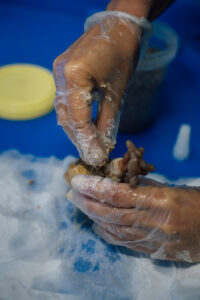
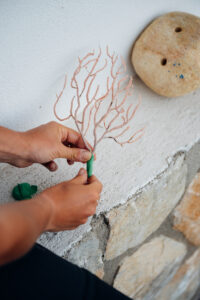
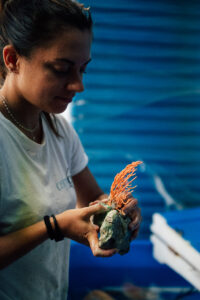
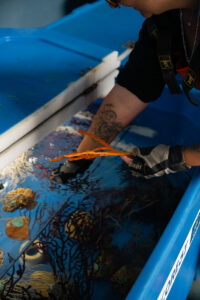
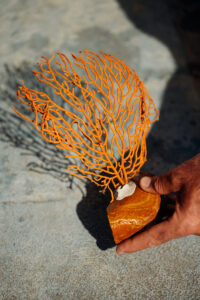
The rescued colonies recover in aquariums, where water temperature closely matches their natural habitat. Each colony is identified, measured and carefully assessed. Once its condition is verified, it is prepared for reintroduction by removing dead tissue, dividing larger colonies when necessary, and attaching them to small stones for their fixation to the seabed. Through research and experimentation, LIFE ECOREST has improved the survival of rescued corals, gorgonians and sponges, while also testing the most suitable substrates for different species.
patience and coordination
Time to care
Marine restoration thrives on close collaboration between the fishing sector and the scientific community. Through this partnership, the LIFE ECOREST project develops, tests and evaluates innovative, effective methods that support the recovery of marine ecosystems.
Restoring corals, gorgonians, sponges and other habitat-forming species is a complex process that depends on the commitment of many people. It involves multiple carefully coordinated stages and close cooperation among all those involved.
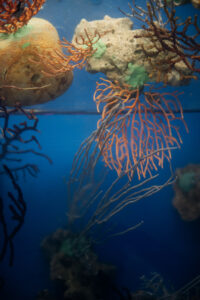
After being rescued, the organisms are maintained for a period in aquaria that replicates the environmental conditions of their natural habitat. Where necessary, they also receive supplementary feeding to promote their recovery and ensure they are in the best possible condition before being returned to the deep sea.
These organisms are extremely fragile once removed from the water. Their careful disentanglement from fishing gear, handling in the aquaria and subsequent reintroduction to the seabed must therefore be carried out swiftly and with the utmost care to maximise the success of the restoration process.
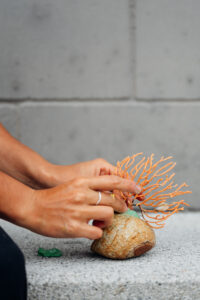
close to the circle
Back to sea
T
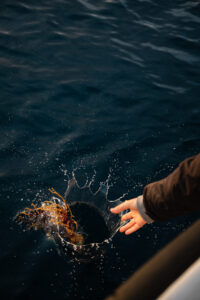
he rescued colonies are reintroduced to the sea by fishers in areas closed to fishing. Placed in suitable locations with species diversity matching natural habitats, this approach ensures survival while promoting growth and reproduction so they can recolonise degraded areas and recover deep-sea ecosystems. Results from LIFE ECOREST are highly encouraging, with restored species showing high survival rates.
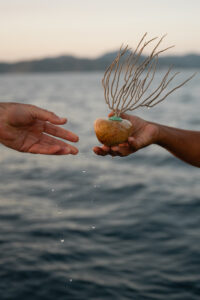
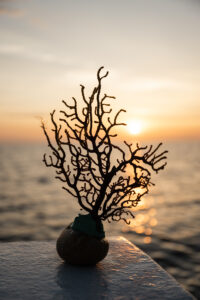
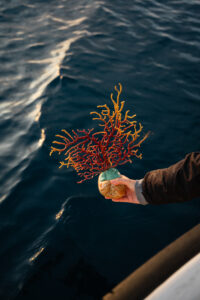
The Perspective of the Exhibition
Marion
Payr
Viena, Austria
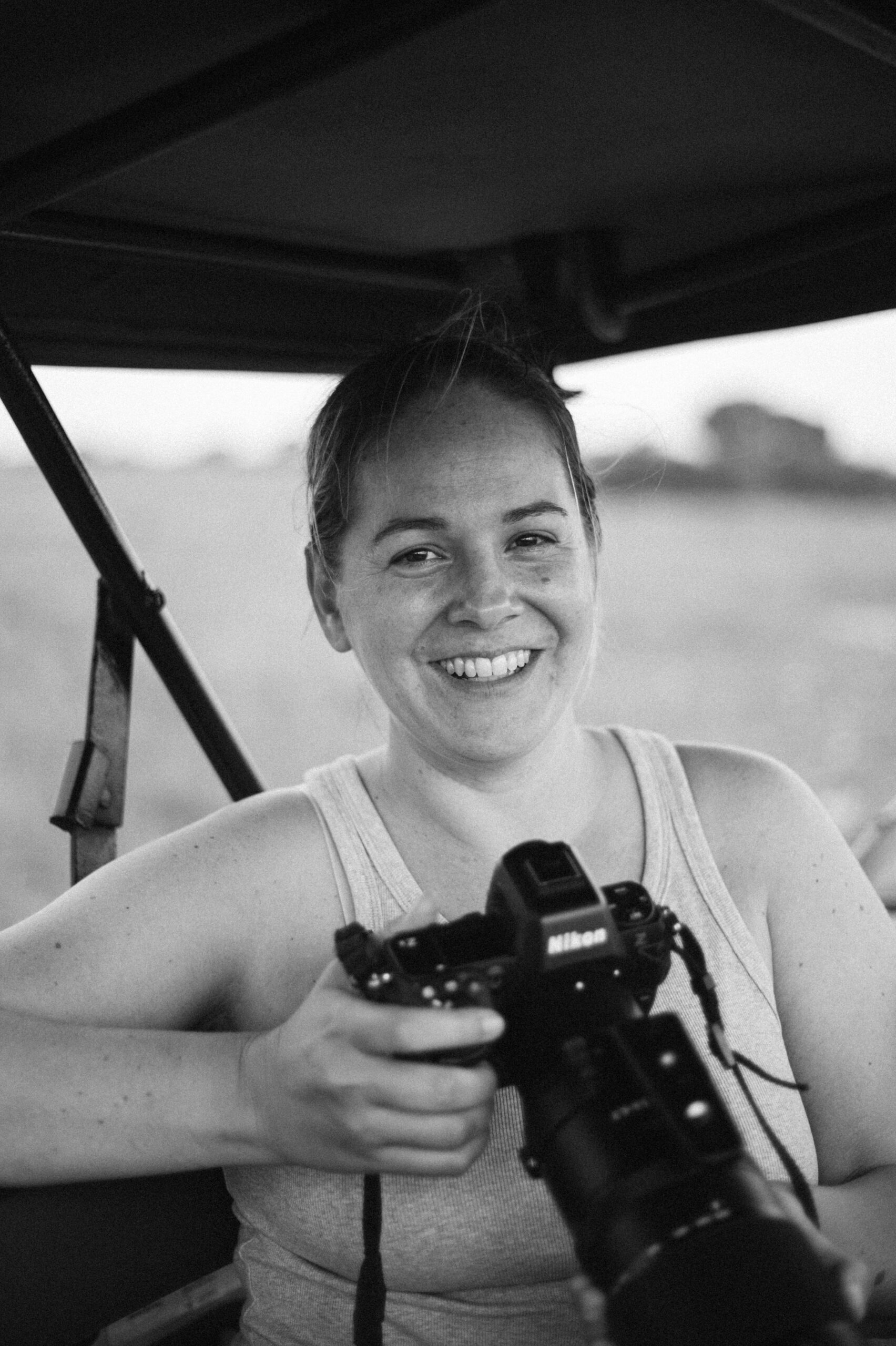
Photographer and visual storyteller. Her work explores the relationship between people and nature, with a particular focus on biodiversity conservation and the stories of those dedicated to protecting it. She has documented environmental projects across Africa and Europe and, in 2025, travelled to Catalonia, to experience the LIFE ECOREST project first-hand, accompanying scientists and fishers in their daily work.
This exhibition grew out of that experience, offering a visual journey through the beauty, fragility and human dimension of the restoration of the Mediterranean’s deep-sea habitats.